
Adult Treatment
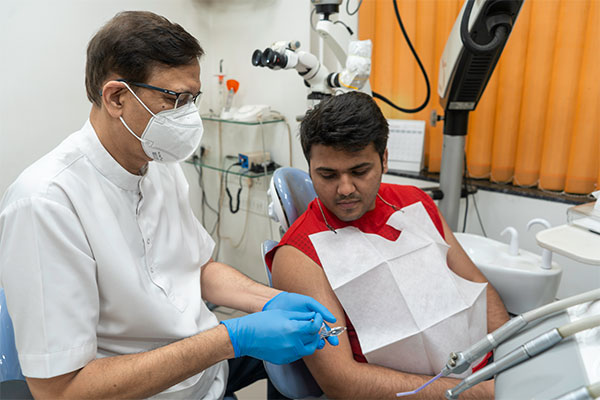
Adults between the ages of 18 and 60 require consistent dental care to maintain strong teeth, healthy gums, and overall oral wellness. This stage of life often brings lifestyle habits, work stress, and dietary choices that can affect dental health.
The most common treatments for adults include routine cleanings, cavity fillings, and gum disease management. These procedures help prevent serious issues and maintain long-term oral stability.
Many adults also seek cosmetic treatments such as teeth whitening, veneers, and alignment correction to enhance their smile and boost confidence. Preventive care, combined with aesthetic options, supports both function and appearance.
Overall, adult dental care focuses on maintaining oral health, preventing damage, and correcting issues that may develop with age or lifestyle changes.
Comprehensive Dental Treatments Designed for Adult

Dental Fillings
The decayed part is removed, and a filling restores the tooth’s shape and function.
Read more

Dental Cap
A dental cap is a custom-made cover placed over a damaged, broken, root canal-treated
Read more
Cervical Erosion
It occurs without tooth decay and affects the area where the tooth meets the gum.
Read more

Instant Gap Closure
A diastema is the space between two teeth, most commonly the upper front teeth.
Read more

Front Tooth Gap Laminates
we offer a sophisticated, long-lasting solution — diastema closure with laminates.
Read more
Braces for a Beautiful smile
Dental braces can beautifully transform your smile — and improve your oral health.
Read more

Laminate Veneer
Dental laminates are thin, custom-made ceramic shells bonded to the front of teeth.
Read more

Dental Bridges
A dental bridge permanently replaces missing teeth by anchoring between healthy teeth.
Read more
Adult
- Tooth decay from bacteria eating away the enamel
- Cavities forming in hard-to-clean areas
- Old fillings breaking down
- Food or tobacco stains, sometimes masking actual decay
Braces suit complex cases and are cost-effective but visible; aligners are discreet and removable, ideal for mild to moderate issues. A consultation helps pick the best option.
Read moreRinse your mouth, save any tooth fragments, avoid chewing on that side, and see a dentist immediately. Early treatment restores function and appearance.
Read moreGet an invisible tooth-colored filling early to restore appearance and prevent further decay.
Read moreCavities are caused by plaque acids from sugar, poor oral hygiene, and irregular dental visits, which erode enamel and create decay.
Read moreIt provides precise, minimally invasive treatment, detects hidden issues, and ensures longer-lasting, natural-looking dental work.
Read moreIt’s usually due to cavities, gum issues, or faulty fillings and can lead to decay if untreated.
Read moreYes! Options like composite bonding, clear aligners, and porcelain veneers can effectively close gaps—often quickly and without traditional braces.
Read moreThe best option depends on your needs, but dental implants are often recommended because they look natural, last long, and help preserve jawbone health. Bridges and dentures are great alternatives based on the number of missing teeth and your budget.
Read moreDelaying dental care can turn small issues—like tiny cavities or mild sensitivity—into serious problems such as root canals, tooth loss, infections, or costly emergency treatments. Early care saves time, money, and discomfort.
Read moreYes! The clinic offers full dental services on Saturdays and limited appointments on Sundays, making it easy for busy professionals, parents, and anyone with a hectic weekday schedule to maintain their oral health.
Read moreA black tooth can signal decay, nerve damage, trauma, or staining. Early treatment like a root canal, filling, or crown can restore its health and appearance.
Read moreTooth pain from cold or sweet foods usually indicates cavities, worn enamel, or exposed dentin. Early treatment like fillings, sealants, or desensitizing care can prevent further damage.
Read moreYes, a non-vital (dead) tooth can be painless yet infected. Early treatment like a root canal can remove infection and save the tooth.
Read moreA non-vital tooth has a dead pulp, often from decay, trauma, or cracks. It may be painless but can get infected, and root canal treatment can save it.
Read moreAn impacted wisdom tooth is a third molar that doesn’t fully emerge due to lack of space, often causing pain, swelling, or jaw issues. Minor surgical extraction can resolve it.
Read moreTeeth can project out due to genetics, habits, or jaw issues. Treatments include braces, clear aligners, veneers, or minor surgery to realign teeth and improve appearance.
Read moreTooth extraction is needed for severe decay, infection, impacted wisdom teeth, advanced gum disease, or broken teeth that can’t be saved.
Read moreRetained root pieces can cause pain, infection, gum disease, and jawbone damage. Safe removal prevents complications and promotes proper healing.
Read moreBusy professionals, parents with school-going children, performers, and elderly patients can benefit from weekend slots, ensuring timely care without disrupting their weekday schedules.
Read moreA cavity touching the nerve causes severe pain and requires prompt treatment, usually a root canal, to remove infection and save the tooth.
Read moreBrush twice daily, floss, eat a low-sugar diet, drink water, get dental sealants, and visit the dentist every 6 months.
Read moreRegular checkups help detect problems early, prevent costly treatments, maintain overall health, and keep your smile healthy and confident.
Read more