
Elderly Treatment
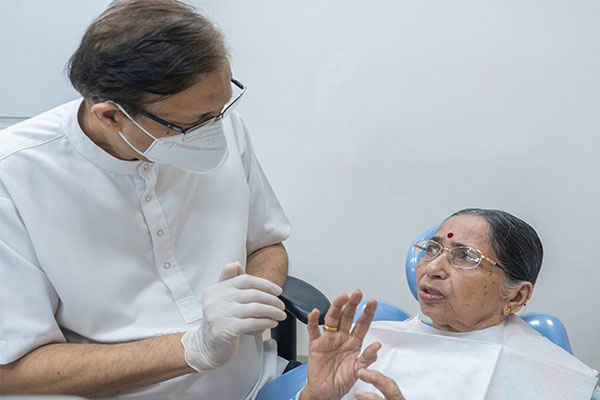
Persons above 60 have unique dental care needs and challenges due to aging teeth and gums. As bone density decreases and enamel weakens, seniors become more prone to cavities, gum disease, and tooth sensitivity.
Dry mouth caused by medications further increases the chances of infections and decay. Routine dental checkups, gentle cleanings, and gum care become essential parts of elderly oral health. Dentures, crowns, and root treatments help restore comfort, function, and confidence in daily life.
Preventive care, along with personalized treatment plans, ensures long-term oral wellness. Overall, the most common dental treatments tailored for elderly patients focus on maintaining comfort, improving chewing ability, and protecting natural teeth.
Elderly Treatment


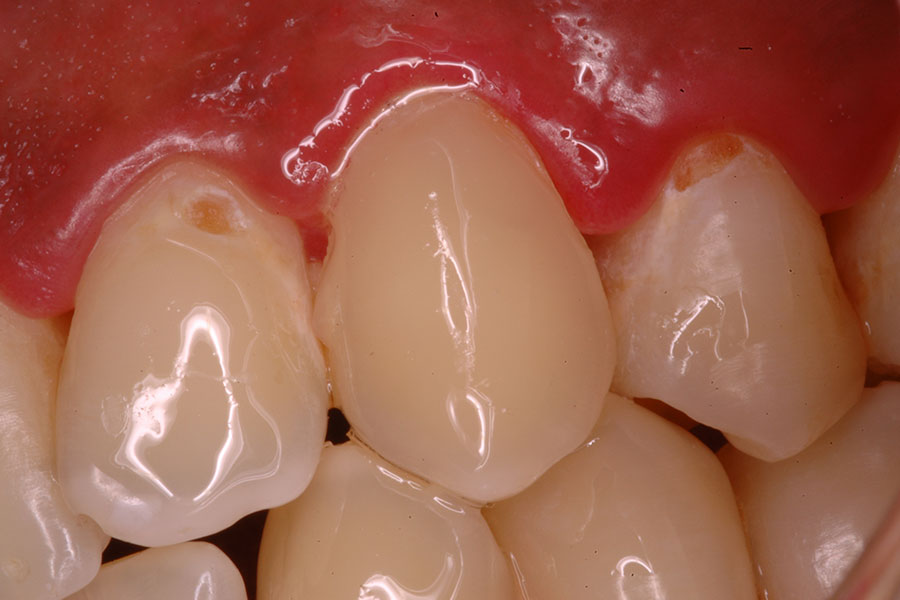
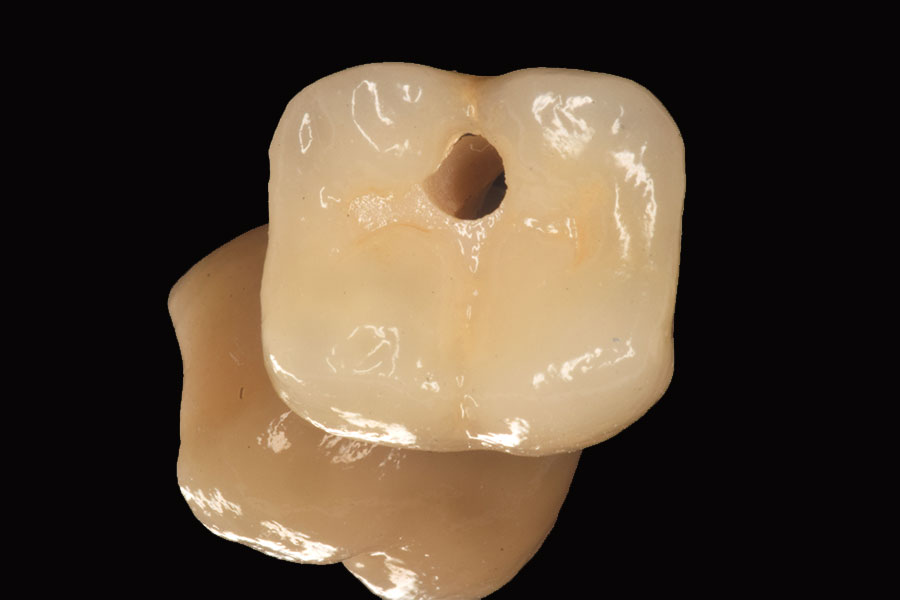


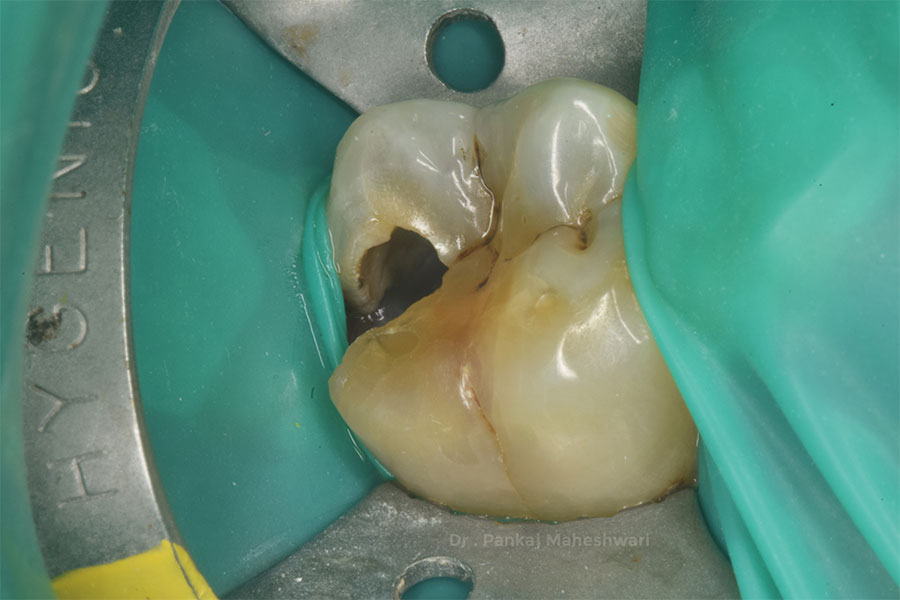
Root Canal
A root canal is a treatment used to remove infected or damaged pulp, clean the inner chambers
Read moreFAQ
See a dentist promptly to restore it with a crown, filling, or implant, depending on the damage.
Read moreIt could be an early cavity—see a dentist for treatment before it worsens.
Read moreCavities are mainly caused by plaque bacteria producing acids that erode tooth enamel, often due to poor oral hygiene, sugary foods, and irregular dental visits.
Read moreIt provides high magnification and precision, allowing dentists to detect hidden issues, remove only decayed tissue, and perform more accurate, long-lasting, and minimally invasive treatments.
Read moreBecause it promotes bacterial growth, plaque formation, and can lead to cavities, gum problems, and more serious dental issues if untreated.
Read moreGaps can result from genetics, thumb-sucking, a large labial frenum, gum disease, or missing/poorly aligned teeth.
Read moreReplacing missing teeth prevents shifting of neighboring teeth, maintains jawbone health, improves chewing and speech, and enhances facial appearance.
Read moreIt often signals tooth sensitivity, commonly caused by cavities, enamel wear, gum recession, or cracked teeth.
Read moreYes, a non-vital (dead) tooth can be infected and discoloured without causing pain, but still requires treatment to prevent further complications.
Read moreA non-vital tooth is one where the pulp has died, often due to decay, trauma, or cracks, and may be discoloured or infected even without pain.
Read moreIt’s a third molar that doesn’t fully emerge due to lack of space, often causing pain, swelling, or jaw issues.
Read moreNo, with local anesthesia and gentle techniques, most extractions are quick and virtually pain-free.
Read moreBecause retained root fragments can cause pain, infection, gum disease, and delayed healing.
Read moreSeek prompt treatment, typically a root canal, to remove infection, relieve pain, and save the tooth.
Read moreBy brushing twice daily, flossing, eating a tooth-friendly diet, drinking water, using dental sealants, and visiting the dentist regularly.
Read moreThey help detect problems early, save time and money, maintain overall health, and protect your smile.
Read more